
Across infrastructure, utility, material-handling, and industrial markets, manufacturers are increasingly looking to structural plastics to improve strength to weight ratios, improve durability, lower maintenance requirements, and simplify production and transportation. This shift is creating demand for larger and more complex molded components, forcing manufacturers to rethink traditional production methods.
For a growing number of these large-part applications, low-pressure injection molding (LPIM) offers another path forward. Once viewed primarily as a historically specialized process, LPIM is becoming a broader manufacturing strategy for companies producing large structural components, particularly when conventional high-pressure molding or other processes become impractical or costly.
But LPIM is not simply conventional injection molding at a lower pressure setting. Producing large structural parts efficiently requires equipment designed specifically for low-pressure processing—from how material is delivered to how molds are supported and operated. That purpose-built approach is different from adapting a conventional high-pressure platform.
From Specialized Process to Manufacturing Strategy
Large-format components create specific manufacturing challenges. As parts become larger, conventional injection molding generally requires more clamp force and specialized injection units for larger shot sizes with a greater investment in equipment and tooling. Other processes such as blow molding, compression molding, thermoforming, and rotational molding may work well for some applications, but each has tradeoffs related to production speed, part design, surface quality, manufacturing flexibility, and cost and become impractical as production volumes scale upwards.
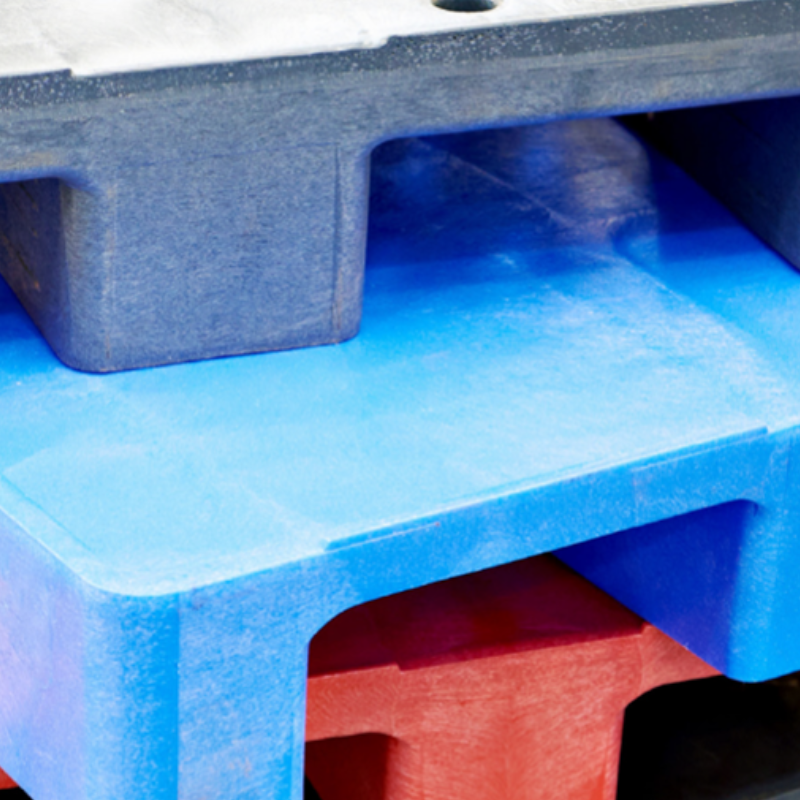
In structural foam molding, a foaming agent, usually nitrogen, is mixed with melted plastic and injected into the mold through multiple nozzles. As the mixture expands, it fills the mold using significantly less pressure than conventional injection molding. Structural web gas assist molding uses low-pressure gas to create hollow sections allowing the production of thicker and stronger parts than would be possible with high pressure molding, all while maintaining a cosmetic part finish.
These processes make it possible to produce large, rigid components at cavity pressures that can be 10 to 15 times lower than conventional injection molding. Depending on the part and process, manufacturers often want to improve strength to weight ratios over other processes. Structural foam and web molding lowers internal stresses eliminating sink marks and achieves higher dimensional conformity in the finished part. These capabilities are expanding LPIM beyond its historical applications. Manufacturers are increasingly relying on low-pressure technology as a practical way to produce larger parts, explore new structural-plastic designs, and create greater production flexibility.
Why Purpose-Built LPIM Technology Matters
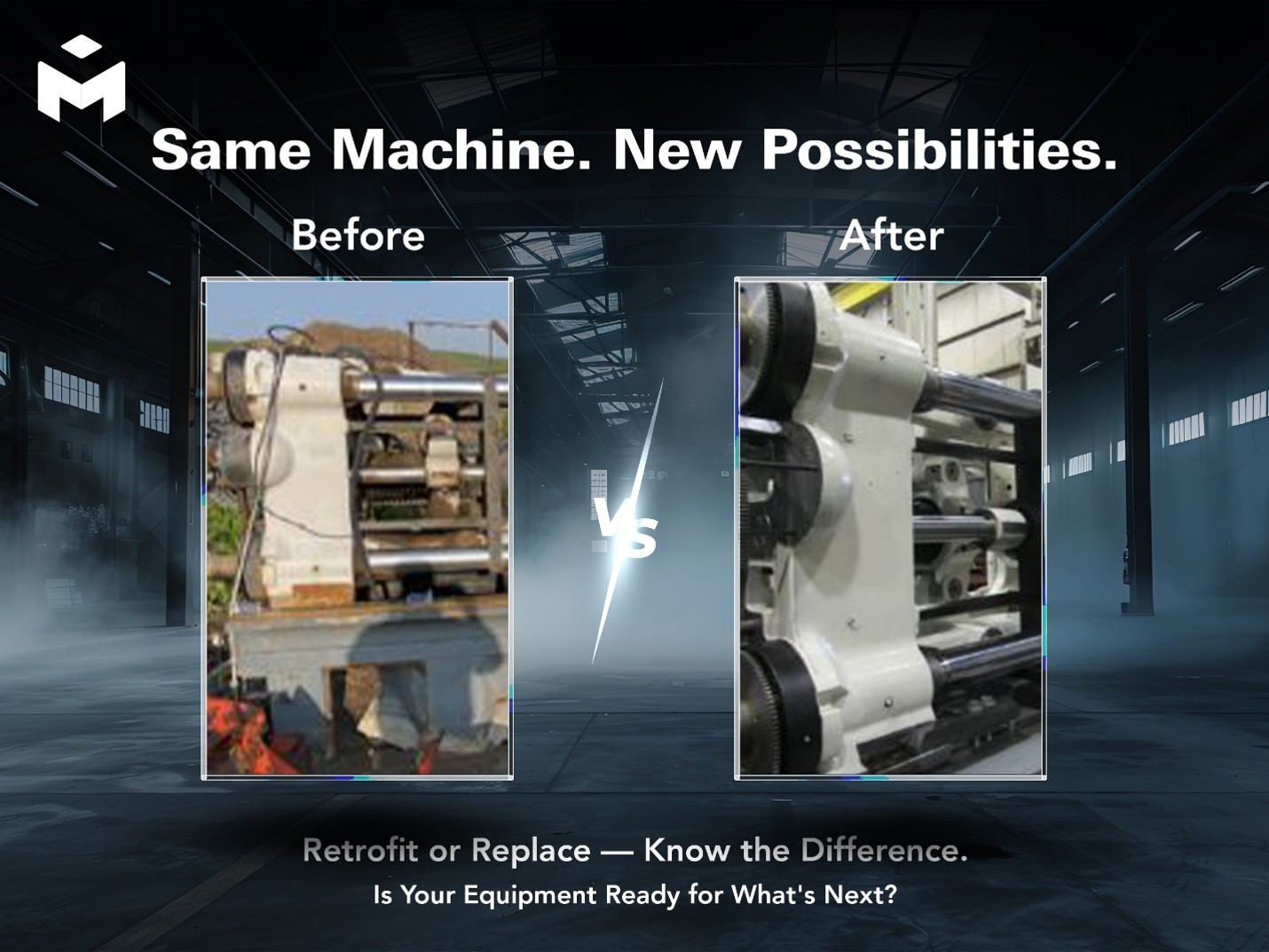
As interest in LPIM grows, manufacturers must also consider how the equipment was originally designed for these large structural applications. One option is to use a conventional high-pressure injection molding machine that has been modified for low-pressure processing. While these systems may work for some applications, modifying a conventional machine is not the same as building one specifically for large structural parts.
That distinction matters because the requirements of large-format structural molding differ fundamentally from conventional injection molding. Material delivery, mold support, cavity pressure, and production flexibility all change as parts grow larger. A purpose-built LPIM platform accounts for those requirements across the entire production system rather than treating low pressure as an adjustment to a conventional process.
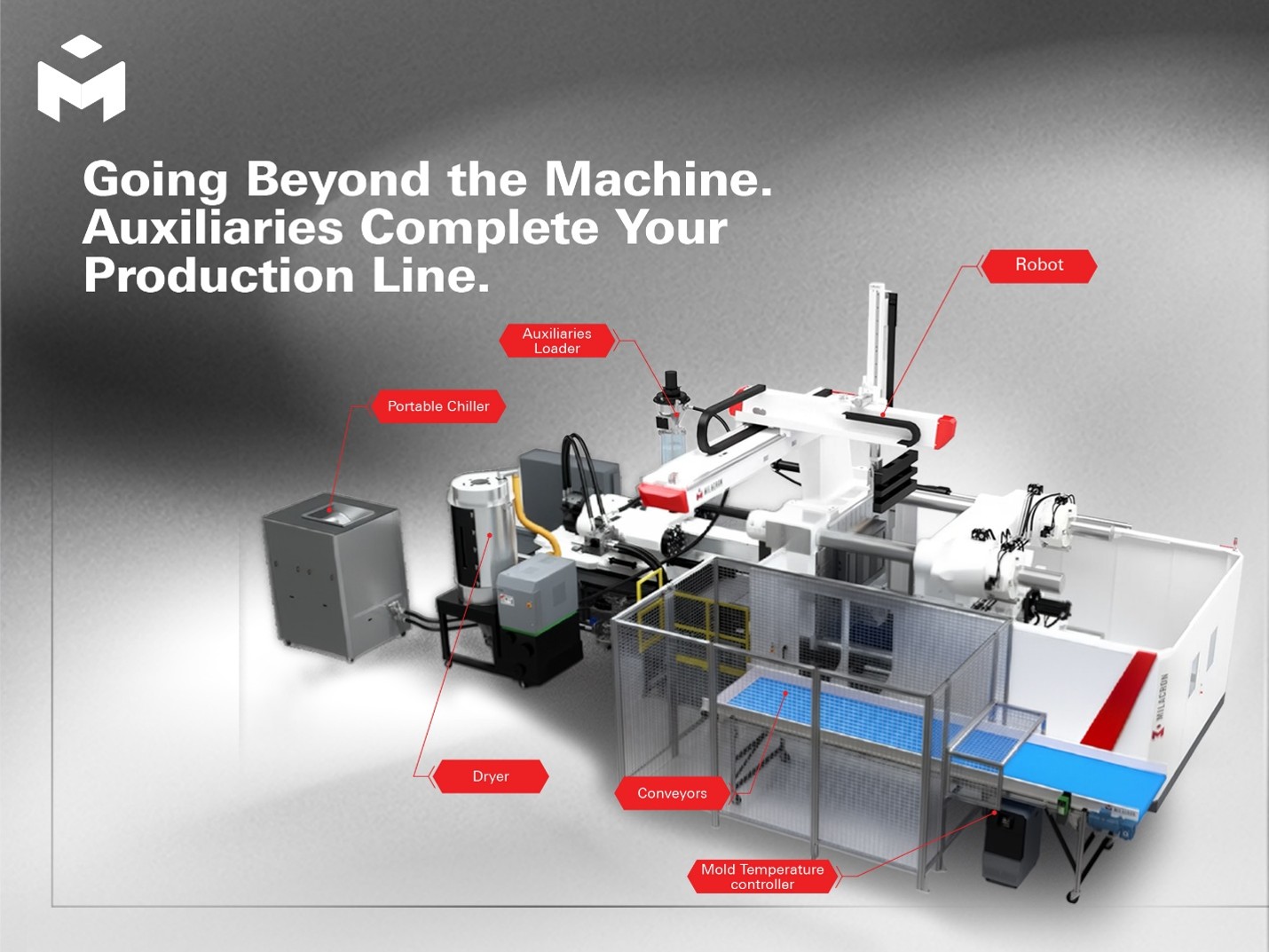
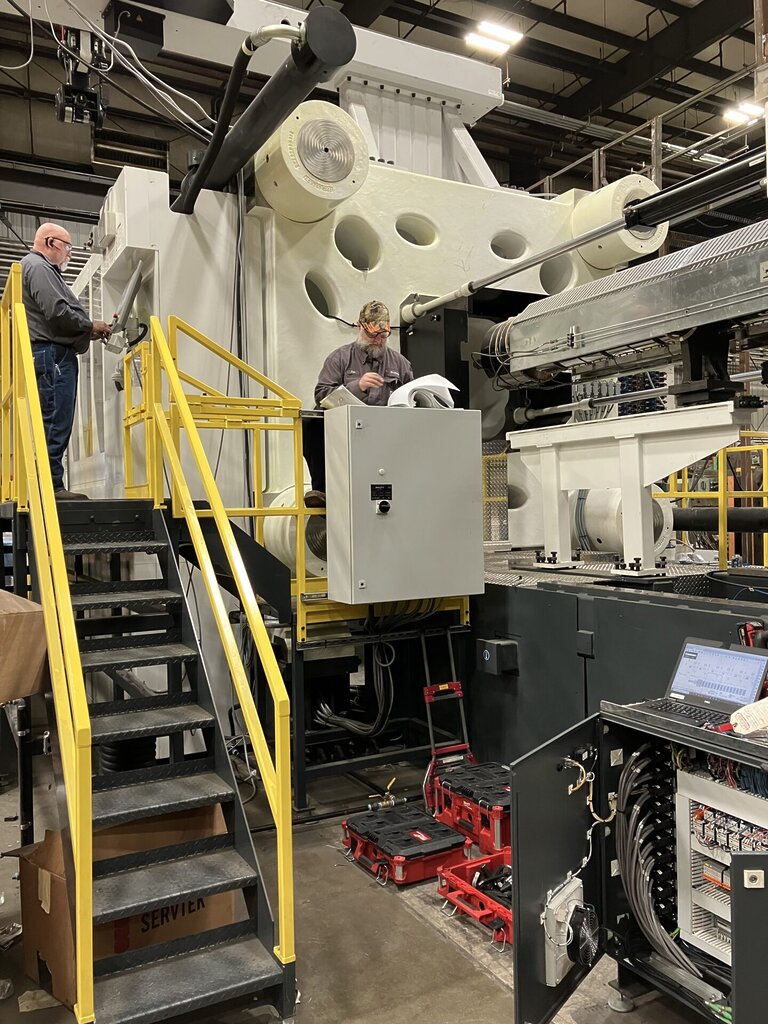
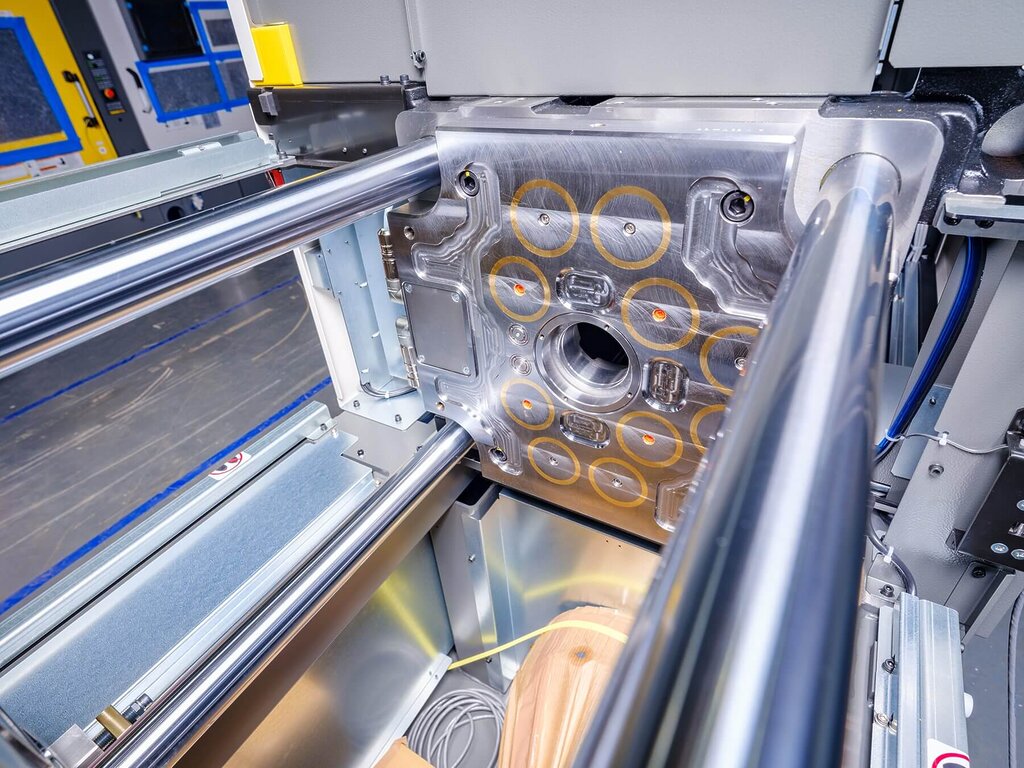
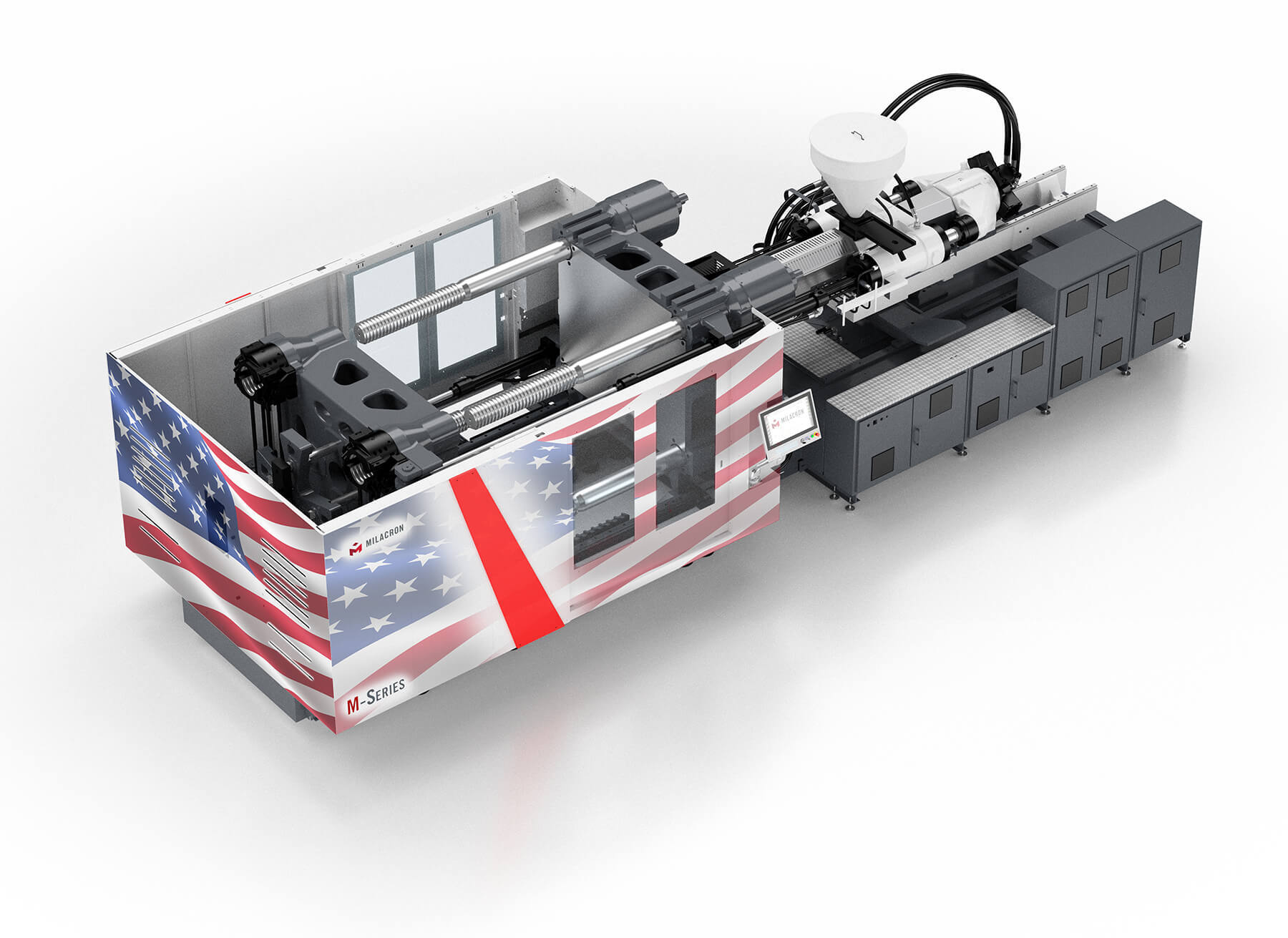
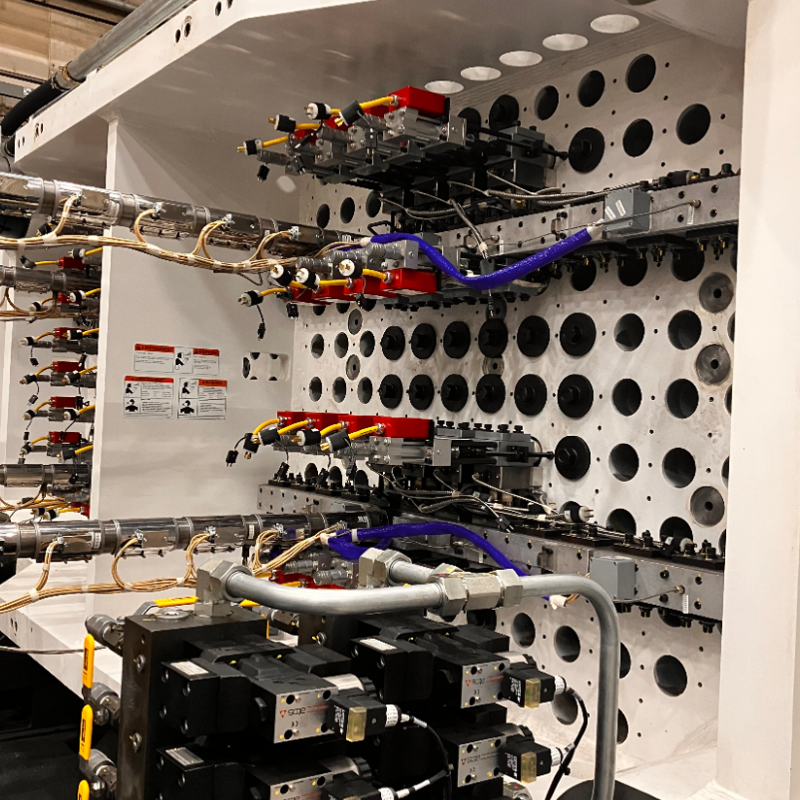
A purpose-built LPIM system is designed to accommodate larger molds and parts, deliver material through multiple injection points, and operate more than one mold at a time. This allows manufacturers to produce a single large part, several identical parts, a family of components, or a multipart assembly in a single production cycle.
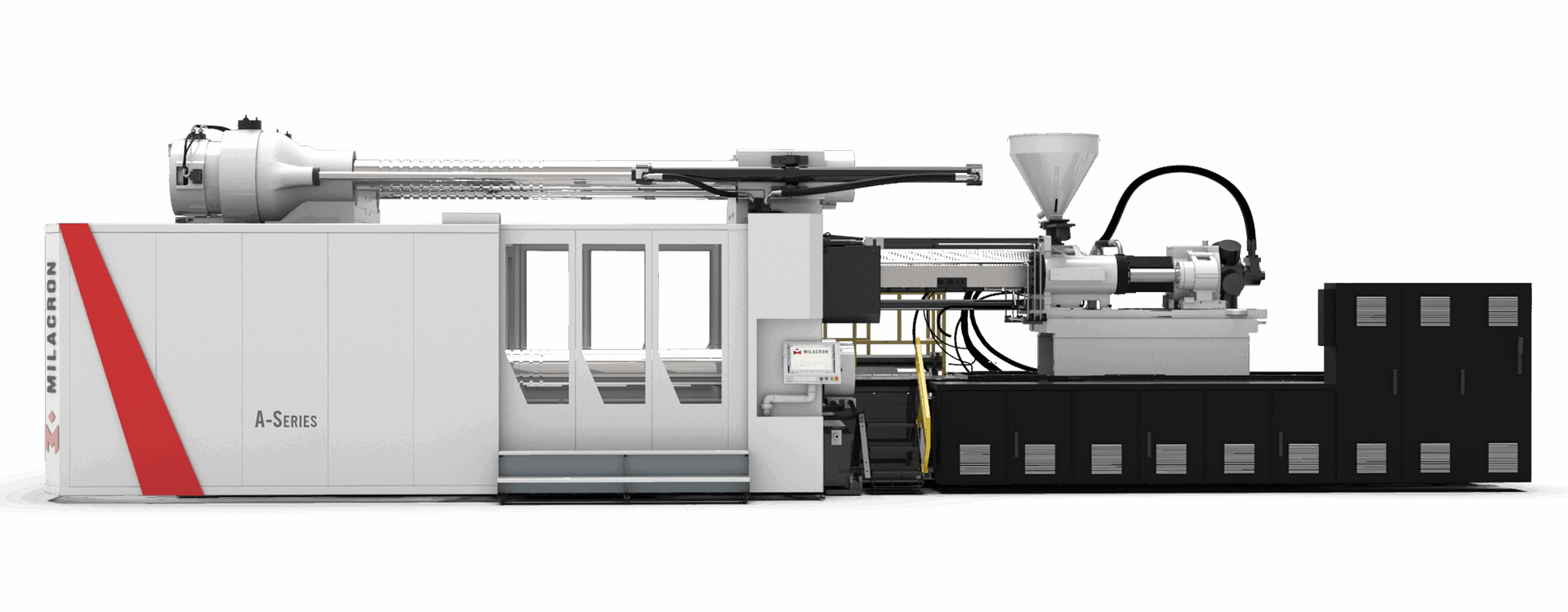
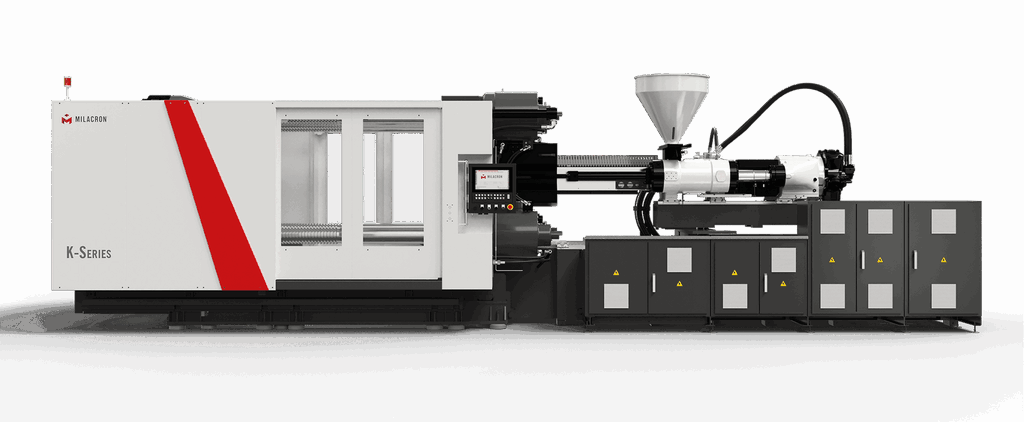
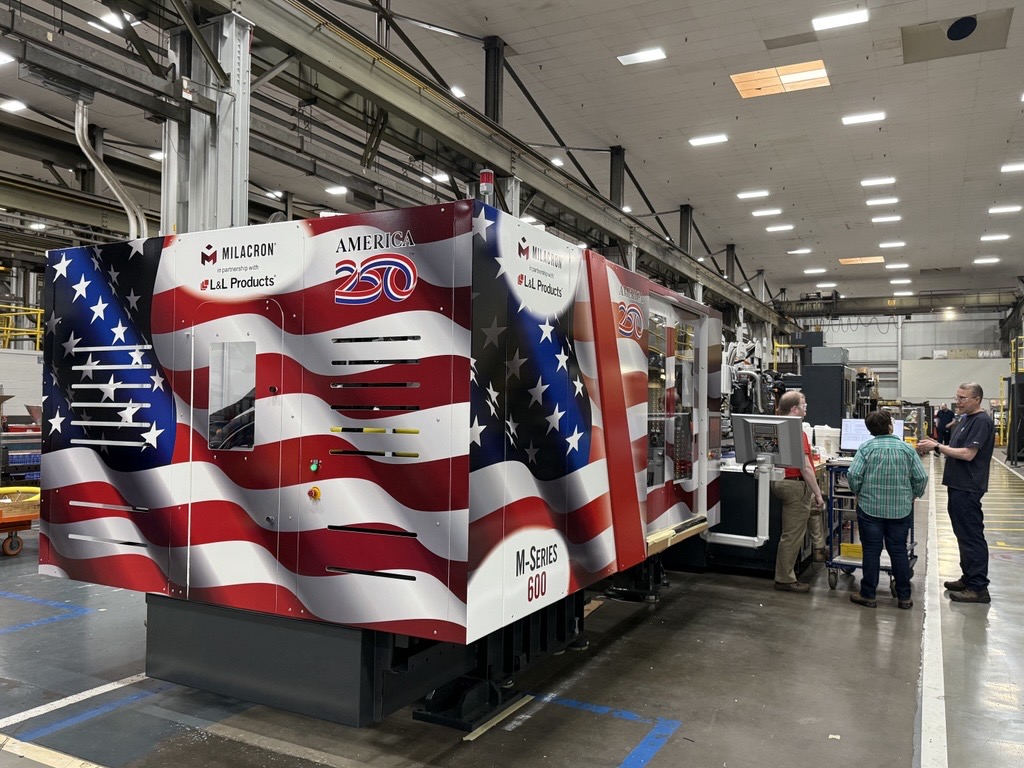
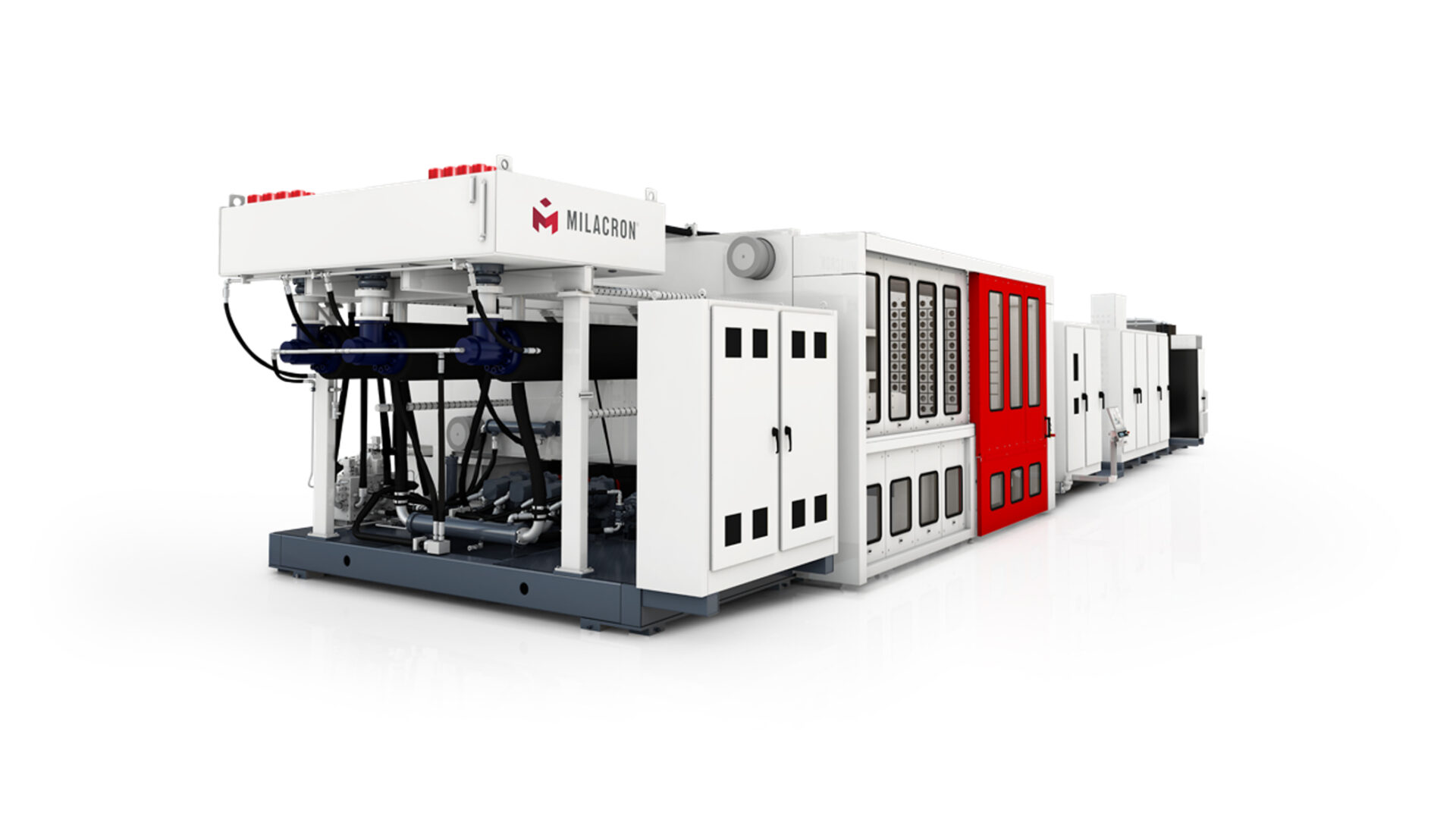
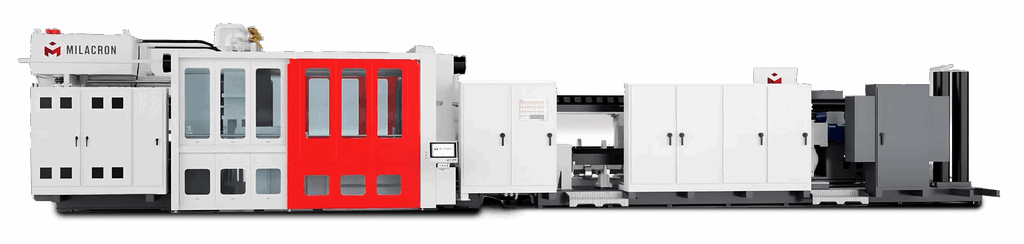
With more than 50 years of experience in low-pressure molding technology, few manufacturers can match Milacron’s combination of installed experience, application knowledge, and process expertise. Milacron’s L-Series was designed specifically for multi-nozzle LPIM, combining decades of process and application knowledge in a purpose-built platform.
The L-Series’ modular hot-runner and multi-nozzle system delivers material directly to one or more molds. Because the melt-delivery system is built into the machine, some projects do not require an in-mold hot runner, which can simplify tooling and reduce costs.
Interest in this technology continues to grow, and over the past five years, Milacron has helped numerous companies adopt LPIM technology while also supporting existing customers as they transition to the latest generation of leading-edge LPIM systems.
How Purpose-Built LPIM Changes Large-Part Economics
For many structural-part programs, purpose-built LPIM changes the economics of the entire production system rather than simply reducing the cost of an individual part. The business case can include tooling, mold flexibility, equipment utilization, material use, transportation, and the total output generated by a production asset.
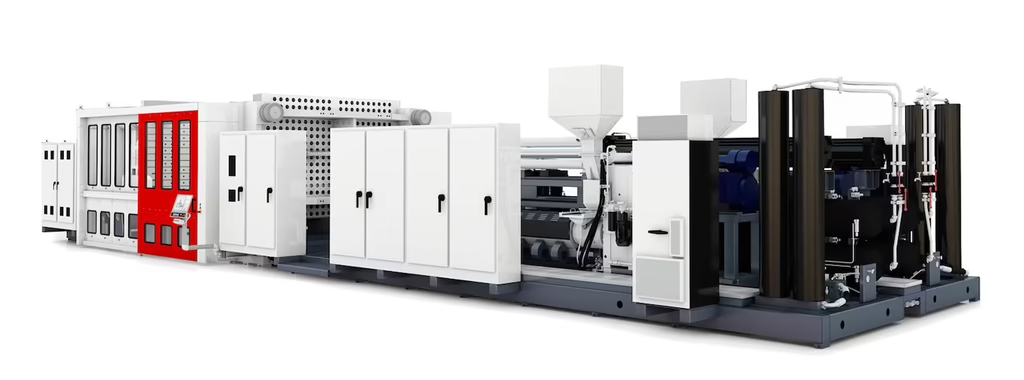
Lower tooling investment. Because LPIM uses lower cavity pressure, manufacturers can use lower-cost aluminum molds for suitable applications. The Milacron L-Series’ integrated multi-nozzle system can also eliminate the need for an in-mold hot runner on many projects. Together, these advantages can reduce upfront investment and make new or lower-volume programs more economically viable on a project-by-project basis.
Greater mold flexibility. The L-Series can direct material to one large mold, several identical molds, different components within a product family, or a multipart assembly. Processors can sequence injection to handle vastly different part sizes in the same shot and manage individual cavity output as demand changes.
Better asset utilization and throughput. Running multiple molds or related components simultaneously allows manufacturers to generate more output from the available platen space. Recent L-Series clamp advancements can also reduce cycle times by approximately 10% to 15%. The combination of shorter cycles and greater output per cycle increases productivity in large part production.
Lighter, more efficient parts. Structural foam and structural web processes can reduce part weight by approximately 15% to 30% while maintaining the stiffness and durability required for structural applications. Lighter parts require less material and may be easier and less costly to handle and transport, while also helping reduce transportation-related emissions.
A stronger total cost model. Equipment price alone does not determine the best option. Tooling, production volume, labor, cycle time, part weight, secondary operations, and transportation all affect the final economics. For many large-part applications, LPIM can lower the investment for launching a new product and greatly improve economics as volumes scale up, helping manufacturers generate more value from the same production asset.
New Possibilities for Structural Plastics
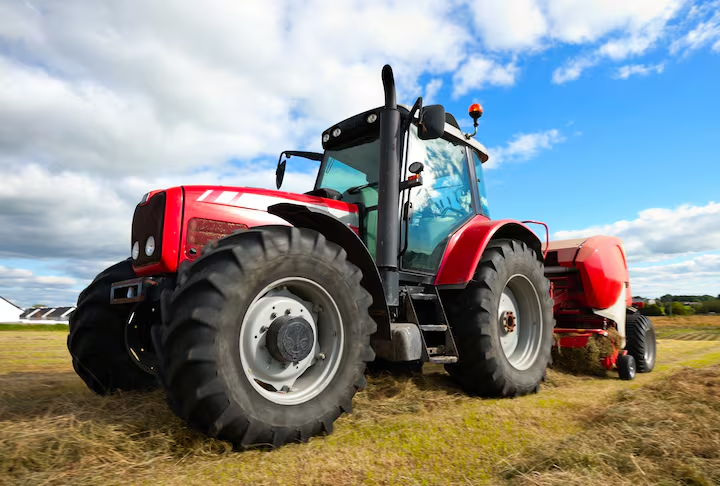
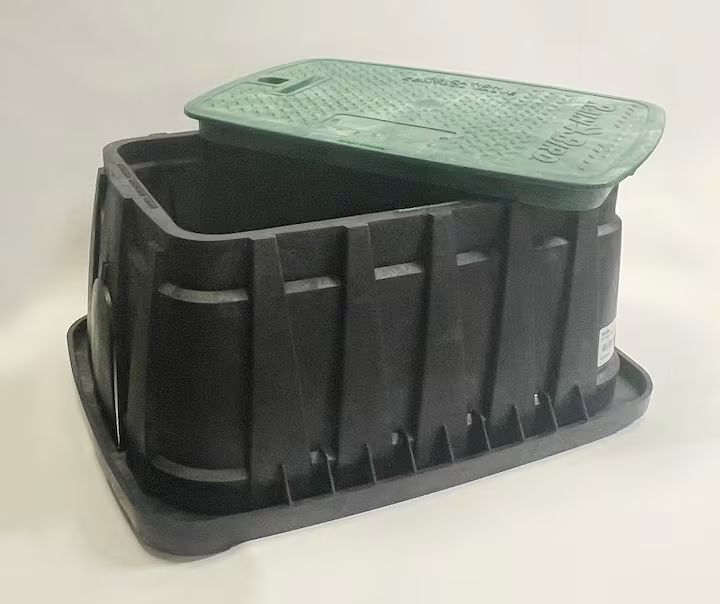
Many of the applications gaining attention share a common need: large components that must be durable, repeatable, and economical to produce. Opportunities are growing across utility infrastructure, water management, material handling, construction, agriculture, industrial storage, recreation, and returnable packaging.
Across these markets, manufacturers are exploring engineered plastics as alternatives to materials traditionally used for structural performance, including wood, metal, and concrete. Plastics can support larger, lighter, and more complex part designs while still providing the strength and durability required for demanding applications.
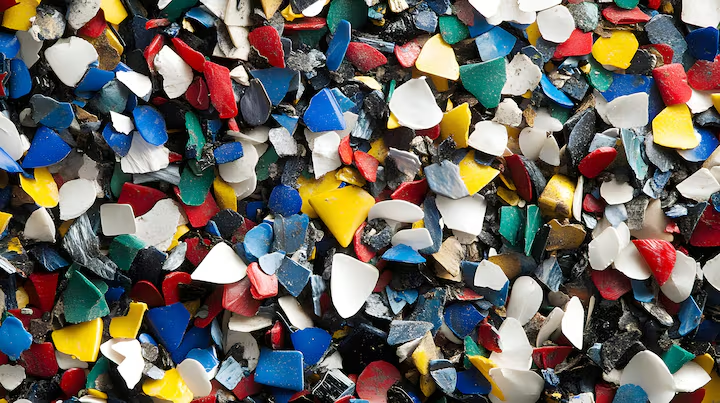
Recycled material is another consideration. Depending on the application and feedstock, Milacron’s L-Series can process up to 100% recycled material. Its melt-delivery system uses large melt channels designed to accommodate contaminants and reduce the risk of clogged nozzles or gates. This capability can help manufacturers meet recycled-content goals where appropriate.
LPIM makes these possibilities more practical at a larger scale. Manufacturers can produce ultra-large parts, run multiple molds at the same time, or create several related parts in one cycle. This gives product teams more flexibility when designing structural components and gives processors more options for planning production.
No single manufacturing process is right for every product. Part size, design, material, production volume, and performance requirements all influence the decision. Evaluating LPIM early in product development can help manufacturers determine whether the process offers the right combination of design flexibility, production capacity, and cost.
The Future of Structural Plastics
Demand for large structural plastic components is expected to continue growing as several manufacturing trends converge. Investment in utility, water-management, and other infrastructure markets is creating a need for durable components capable of performing in demanding environments. At the same time, continued material substitution is opening new opportunities for engineered plastics that can improve strength to weight ratios, support more complex designs, and deliver the required structural performance.
Manufacturing efficiency is another important driver. Operations leaders remain under pressure to control tooling costs, increase capacity, reduce material and labor requirements, and make capital equipment more adaptable as production needs change. LPIM addresses those priorities by giving manufacturers a way to produce larger and lighter parts with greater production flexibility.
As LPIM moves into new markets, many adopters are not traditional molders. Milacron can provide turnkey greenfield solutions, helping manufacturers design, launch, and optimize large-part molding operations even when injection molding has not previously been part of their manufacturing footprint.
As demand for larger, lighter, and more efficient structural components continues to grow, manufacturers that rethink how those parts are designed and produced may uncover competitive advantages that conventional production approaches cannot easily match.
Milacron can help manufacturers determine whether LPIM is the right fit for the part and the production plan. Contact us to learn more about LPIM and how it can fit into your operation.
Read this story on Plastics News: Low-Pressure Injection Molding Is Becoming a Manufacturing Strategy and Why Purpose-Built Technology Matters – Plastics News